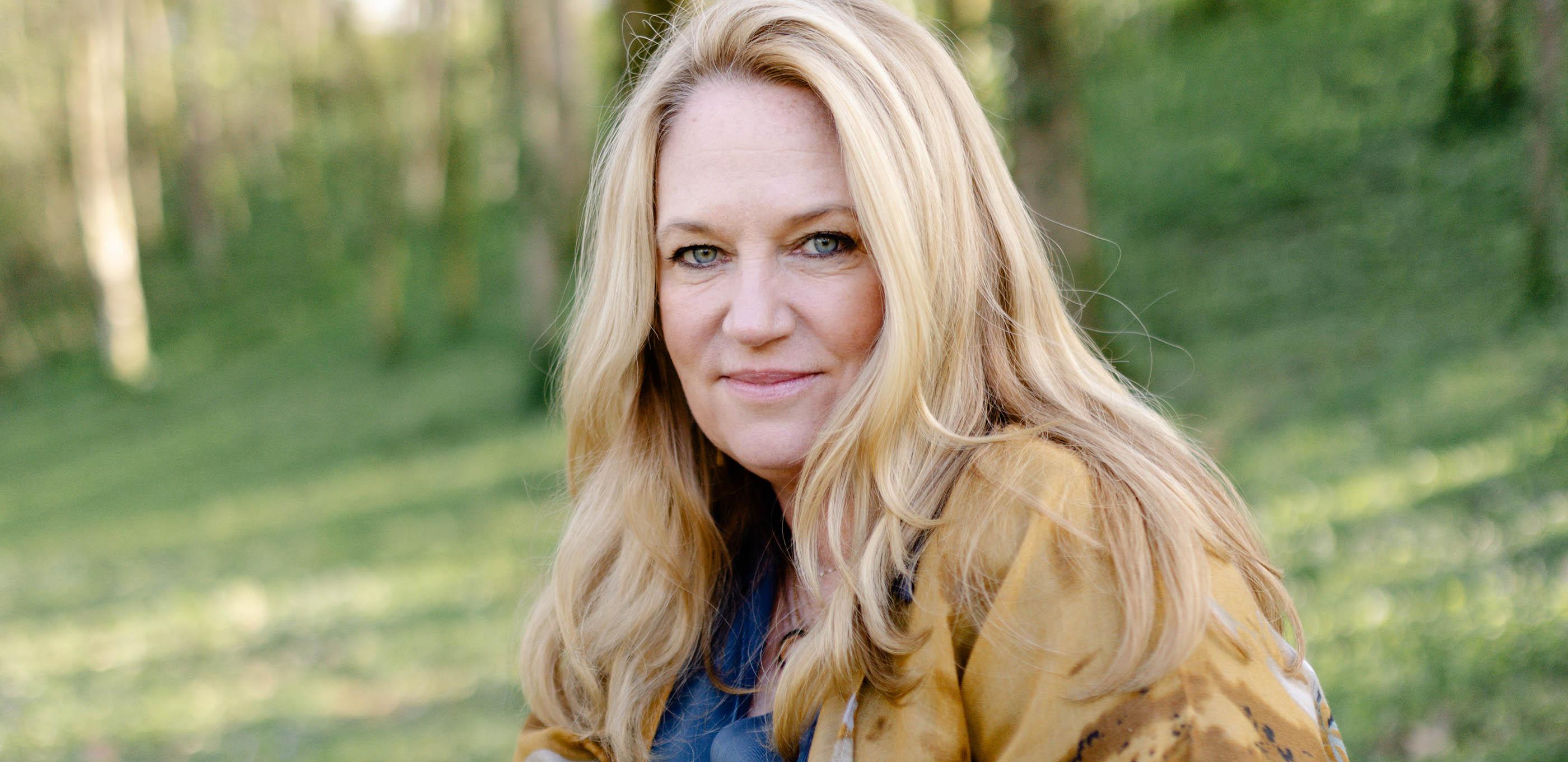
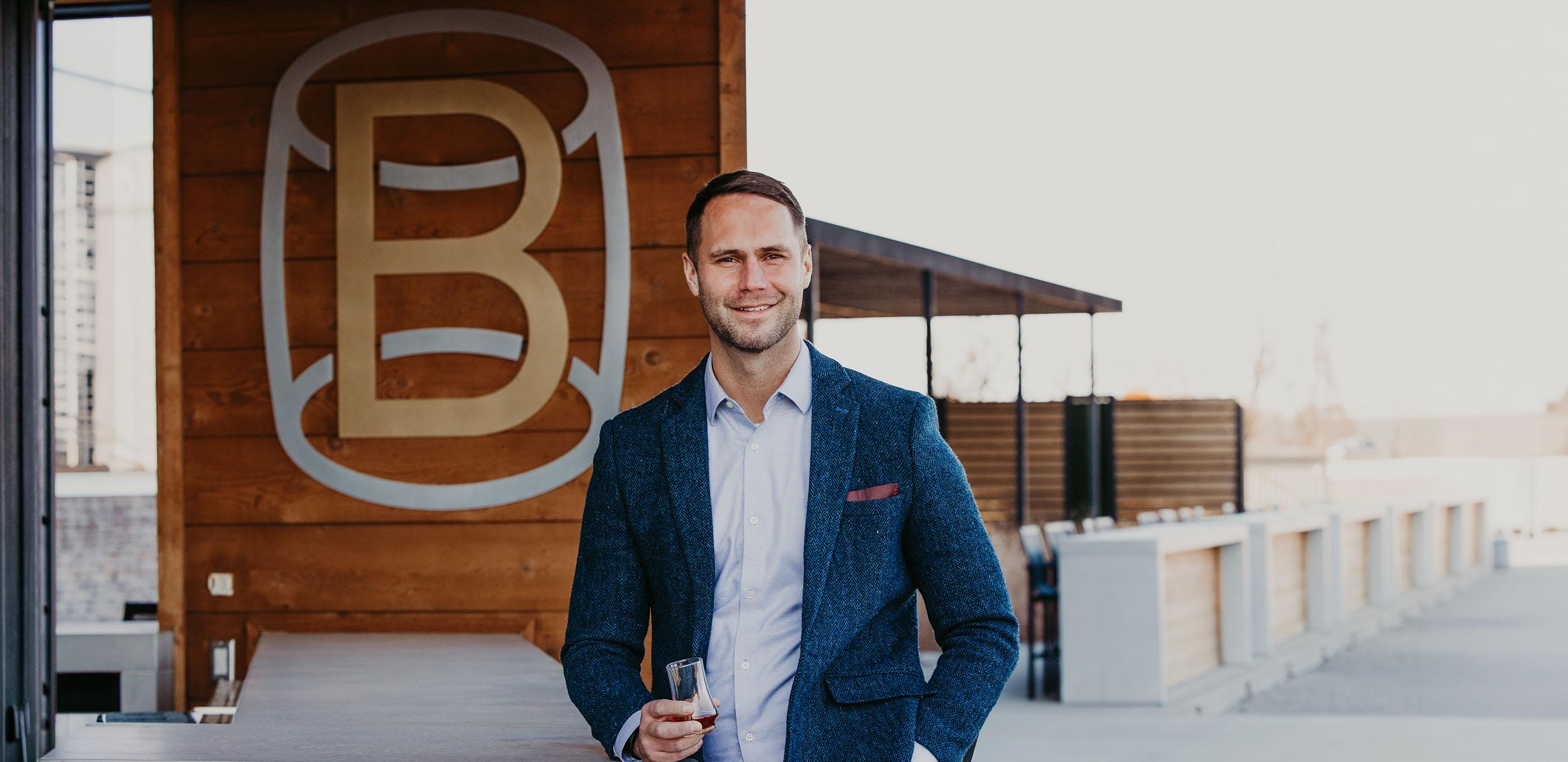
Every experience that you have in life and in work prepares you in some way for the next; nothing is wasted because everything is full of possibilities. This is true for the work and vision of Bardstown Bourbon Company (and Green River Distilling as a part of Lofted Spirits), and its Master Blender, Dan Callaway. We sat down with Dan to discover how his work in music led to distilling, his approach to developing inspired new finishes, and where he thinks things will go next.
How did your journey into whiskey get started, and does it relate to your time as a musician?
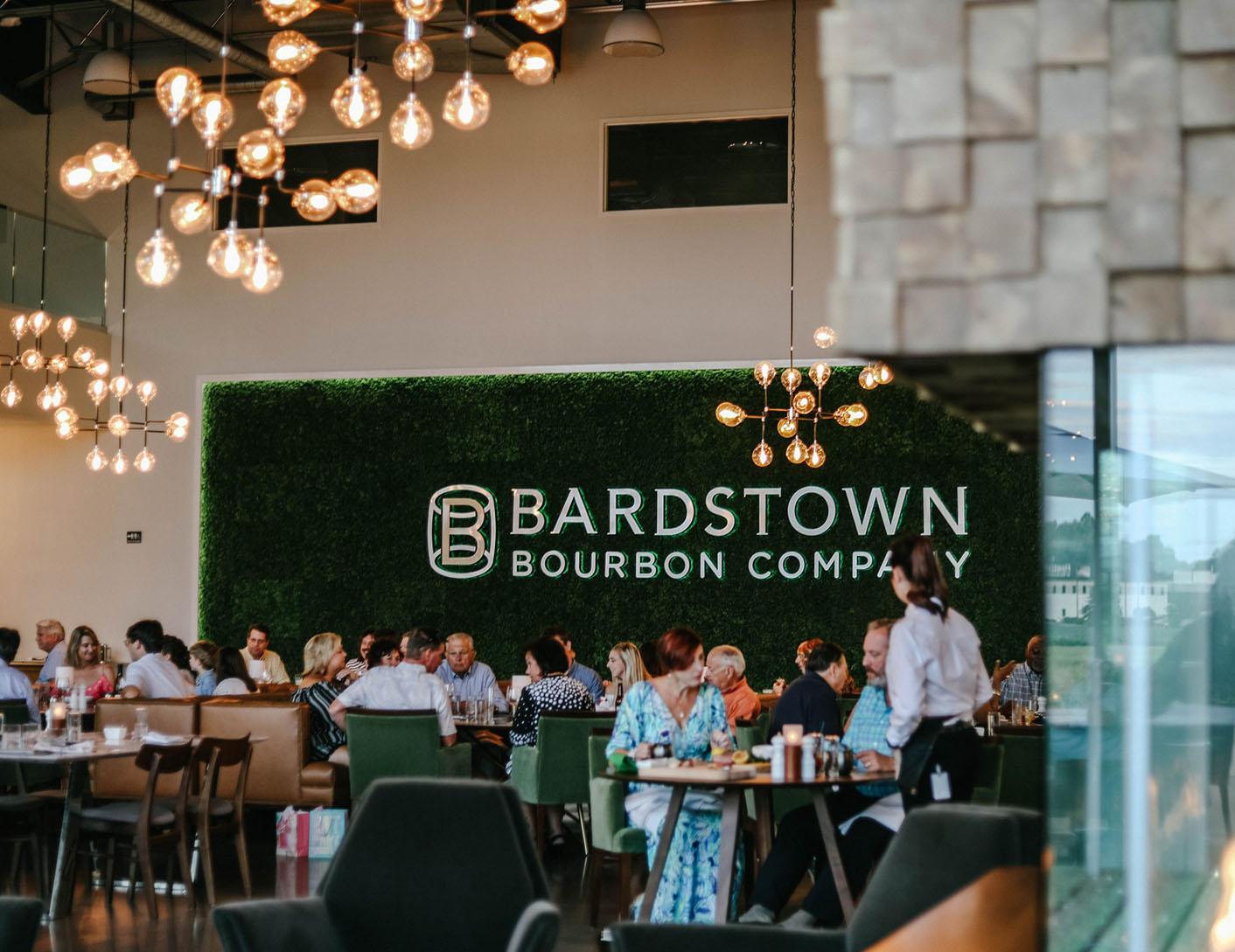
For my whole early life, I thought I was going to be a musician. I studied music all through high school, going deep into it in college, and then throughout my 20s, I was playing French horn in different orchestras. And I'd be doing that still, but I was doing these tours overseas to China and Japan, and I met my now-wife over there. She was from Kentucky, so I was driving up from Louisiana to see her, and then I did a career change. During that time, I got really deep into wine, worked on my sommelier certifications and met the people that were starting Bardstown Bourbon Company.
It was just this really fortunate timing to be in the right place with the right people at the right time. They had just passed a law in Kentucky where instead of just being able to taste the distillate and final product on-site, you could now have a bar and a restaurant. So it was just perfect timing to come in and build that bar program, and then from there slowly move into product development and look at the blending and finishing. It's been a wild journey, but just a lot of good fortune.
What were those early days like? Did you have any standout initiatives?
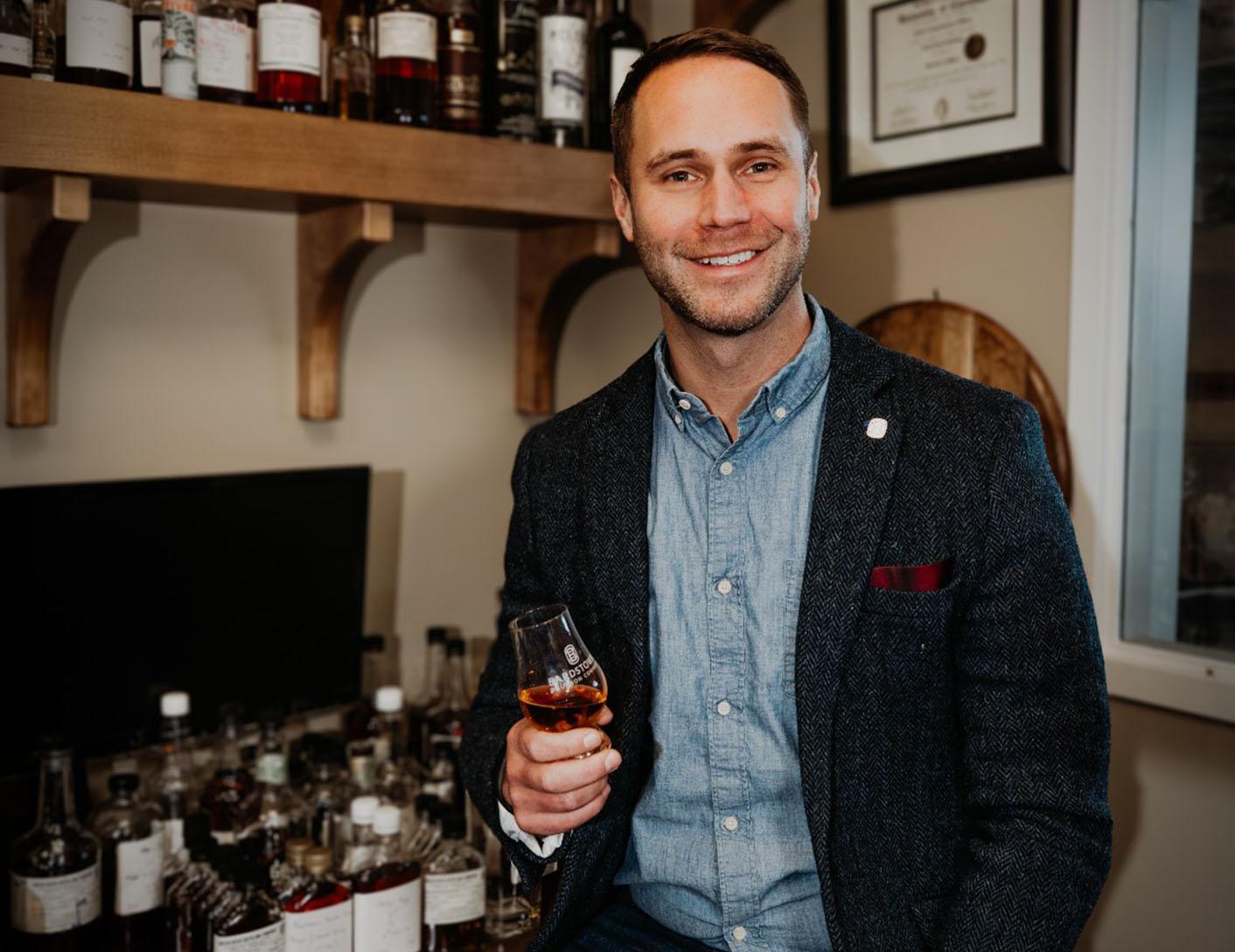
It's just been amazing, you know. It's my ninth year now, and from the beginning, Bardstown has set out to be innovative and modern, push boundaries, and do creative things. So right out of the gate, the first things we were doing were finishes: Brandy, Mezcal, Cabernet, and it was just so up my alley with the wine background that I had developed. And I realized really quickly that there were not these rigid guardrails, so we could seek out partnerships and produce these really groundbreaking whiskeys, and be encouraged to push even further. That ability to explore, the flexibility to discover, and the freedom to be inventive have been the difference maker.
As you interact with fans, what are you sharing about Bardstown?
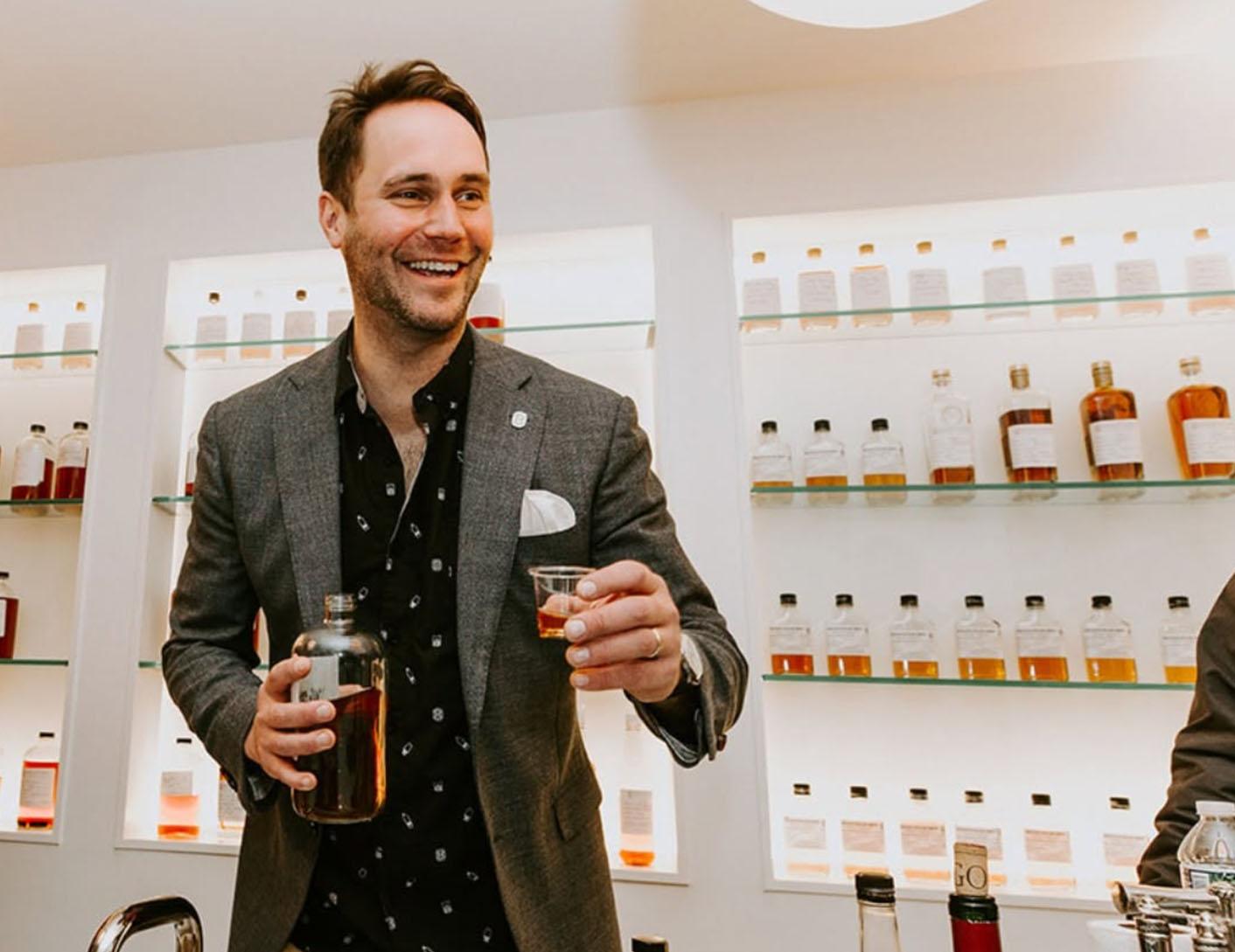
I tell them this is the best time right now to be a whiskey fan for many reasons. Primarily, the connection between them and the transparency – the information online, the bourbon groups, the clubs, the discussions – it just seems like bourbon is in this place where people are really open-minded about trying different things, which is different than what you typically see in other spirit categories. So, it's a time of growth and innovation. You have to keep the quality no matter what, and we're fortunate to have an amazing quality team that's constantly looking at our barrels and really taking this team approach. But in my conversations with people right now, what I'm seeing is just an openness to innovation.
What is your mindset around developing quality whiskey and unique finishes?
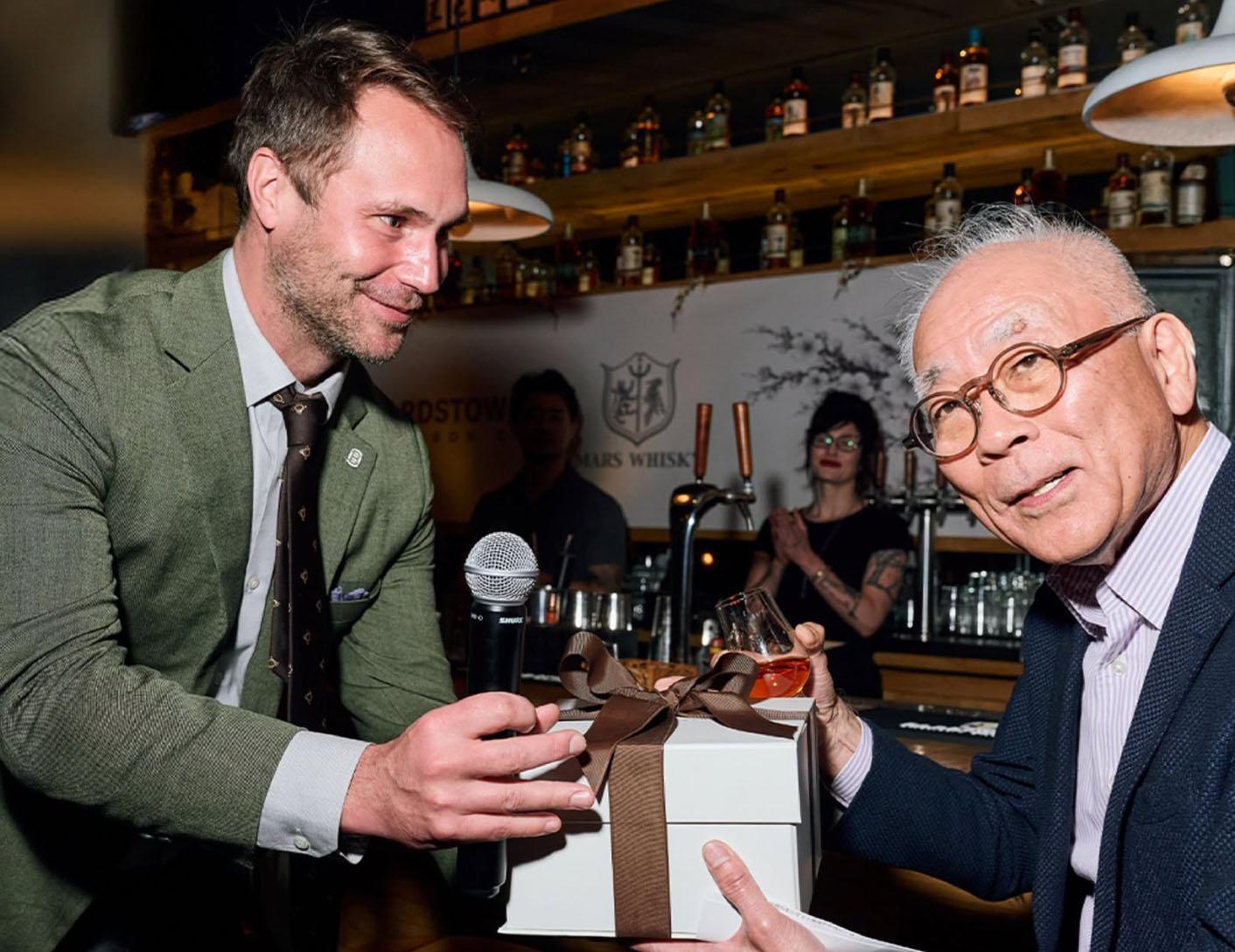
We say that there's nowhere we won't go, and that's the mindset. It’s always “How can we push the boundaries? How can we find what’s next?” Whether it's Garryana Oak or shipping liquid from Japan all the way to Bardstown and then mingling that Japanese whiskey with bourbon. All the way to some of the crazy things we have in the hopper. It's fueled by creativity, team effort, and trying to push the boundaries of what whiskey can be.
I think this Lochs of Jura release that has just come out has just been an incredible project, and the idea of a 32-month finish – this almost three-year finish in single malt whiskey. To me, it represents the final piece of this single malt innovation project that started with Fercullen Irish Whiskey, then Amrut Indian Whiskey, Mars Japanese Whiskey – all single malt finishes. Now we’re exploring what we can do with Scottish whiskey, bourbon, and rye aged in single malt casks that previously held bourbon and sherry. And so now you're getting four flavors: bourbon, rye, single malt, and sherry. It's just this amazing result. I'm surprised by how complex and well-balanced that one is.
As you look towards the future of Bardstown, are there any specific directions you have an eye for?
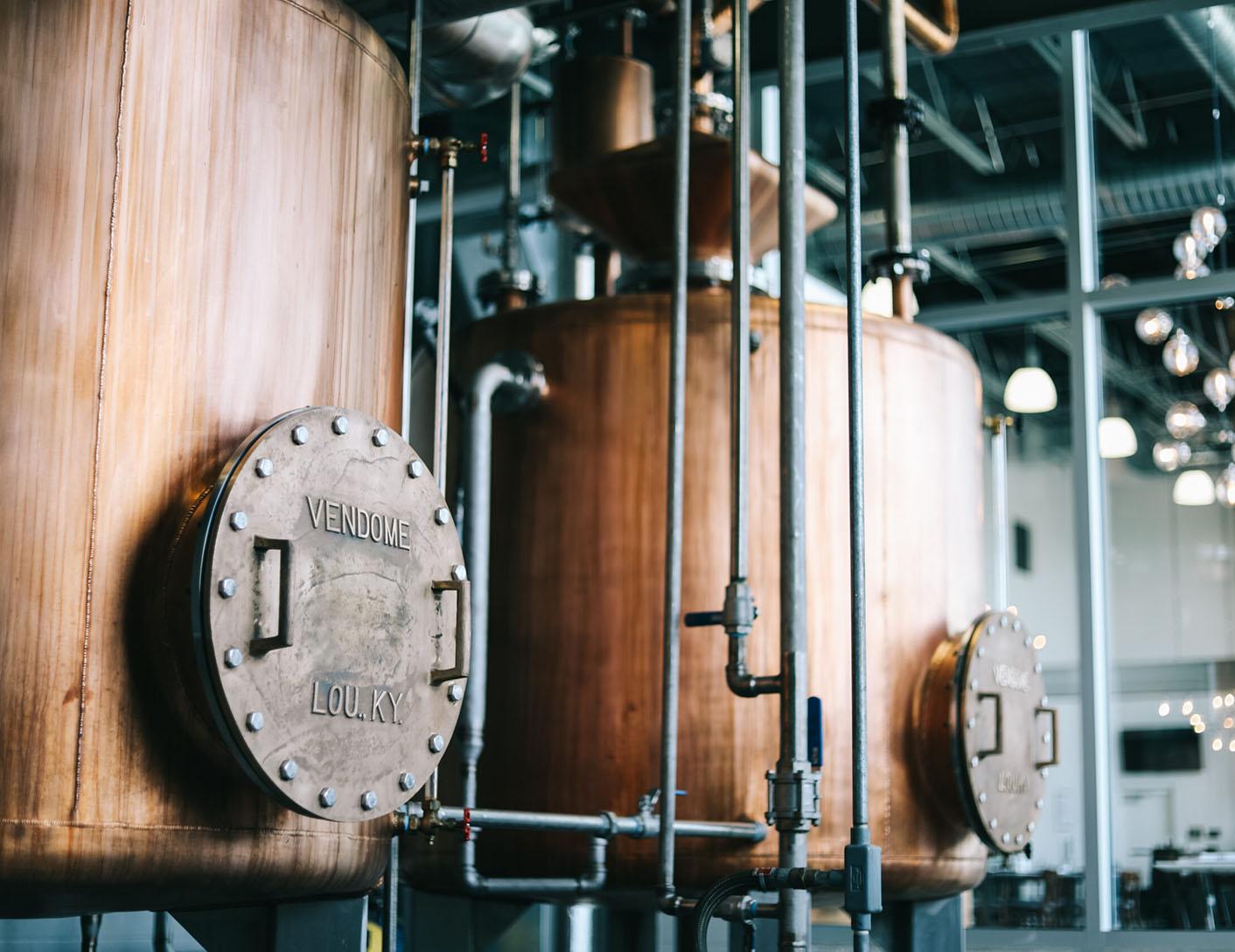
Both Bardstown and Green River started distilling in 2016. So Lofted Spirits represents both Bardstown and Green River, and having launched both in 2016, we are now hitting 10 years, so they both have beautiful aged product. And I am so excited for the ability to blend, finish and create things with this 100% estate-distilled liquid from both distilleries. It's going to be very cool. And we're getting very close.
I think we're seeing tremendous growth for both Bardstown and Green River as brands. And I think those will continue to develop. If there's a third brand that spins out, we'll see. But right now, our focus and attention are really our core brands, and then our wonderful partners, who we do custom distillation for, so grain to glass, all-in brands like 15 STARS, Stetson Bourbon; just so many incredible teams that we're able to work with and make custom liquid for them.
How frequently do you get to work with those partners?
All the time actually. It's really about dividing our time into three, between Bardstown, Green River, and our partner brands under the Lofted Custom Spirits arm. While not quite everyday, we will often have a different partner brand project or consultation, especially when they want to get into things like double barreling, stave finishing or a certain type of distillate. It's a really cool educational piece of the job, and a way to keep challenging ourselves.
We'll get all kinds of off-the-wall ideas, and I love the creativity. It's like, how do you take that creativity and funnel it? And the coolest thing is that brands like 15 STARS, who have so much creativity in their grain – to walk with them from an idea in the very beginning, and now seeing their products release and win awards – it's just the coolest feeling to support that.
How should someone start their exploration of Bardstown and Green River?
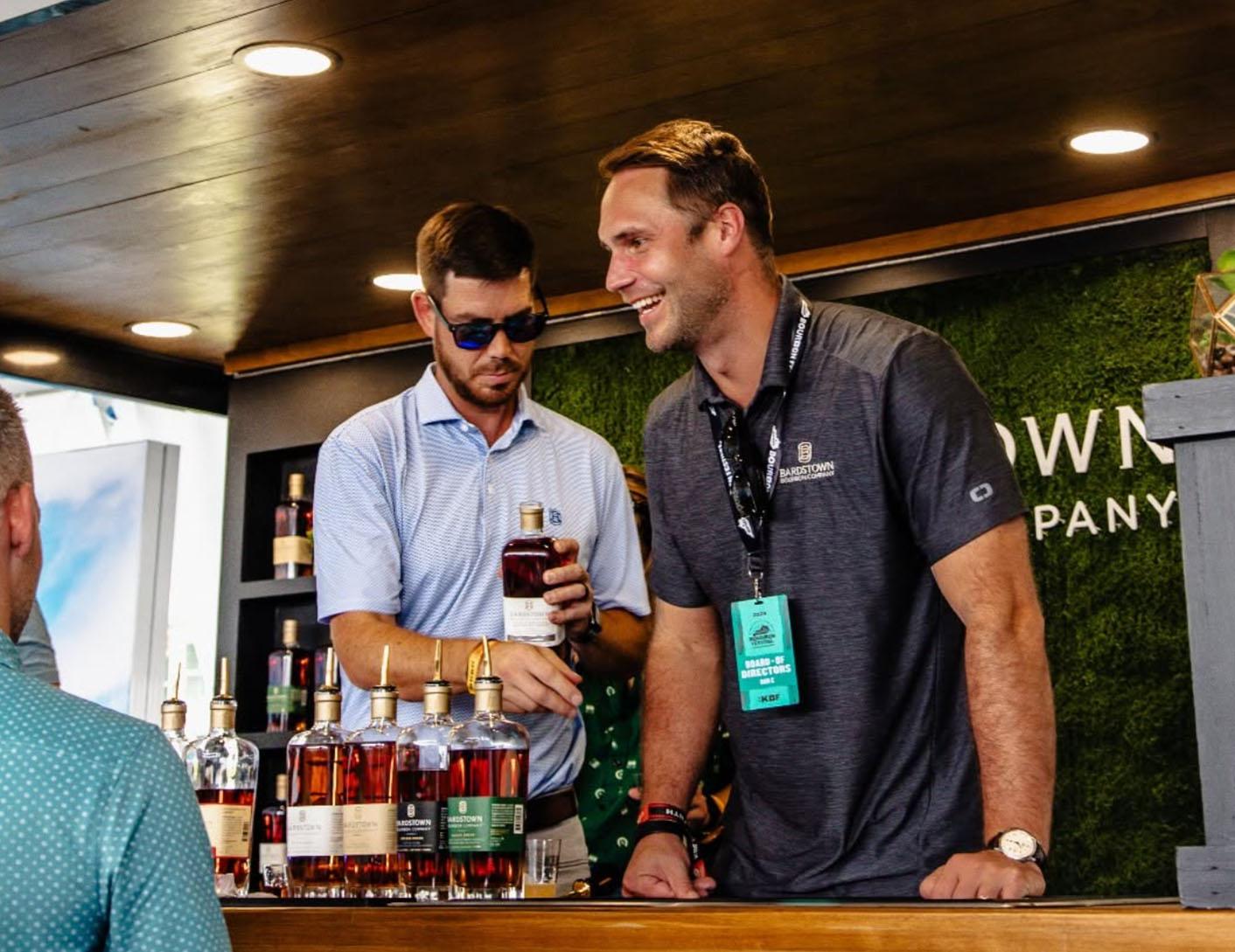
Start with the core products. For Green River, start with the bourbon, the wheated bourbon, and the rye – these releases are 100% estate distilled, aged, and bottled right there in Owensboro, KY. When you move to Bardstown, jump into our core line-up as well. There are four cores from Bardstown: the High Rye Bourbon, the Bottled-in-Bond, the High Wheat, and the Double Barreled Rye. All delicious. Once you have started with the core, then you can branch out into the finishing, the blending, the innovation, the full-proof, and single barrels. You’ll find many directions you can go, but the companies are best represented through their core.
When you’re not working, what is in your glass?
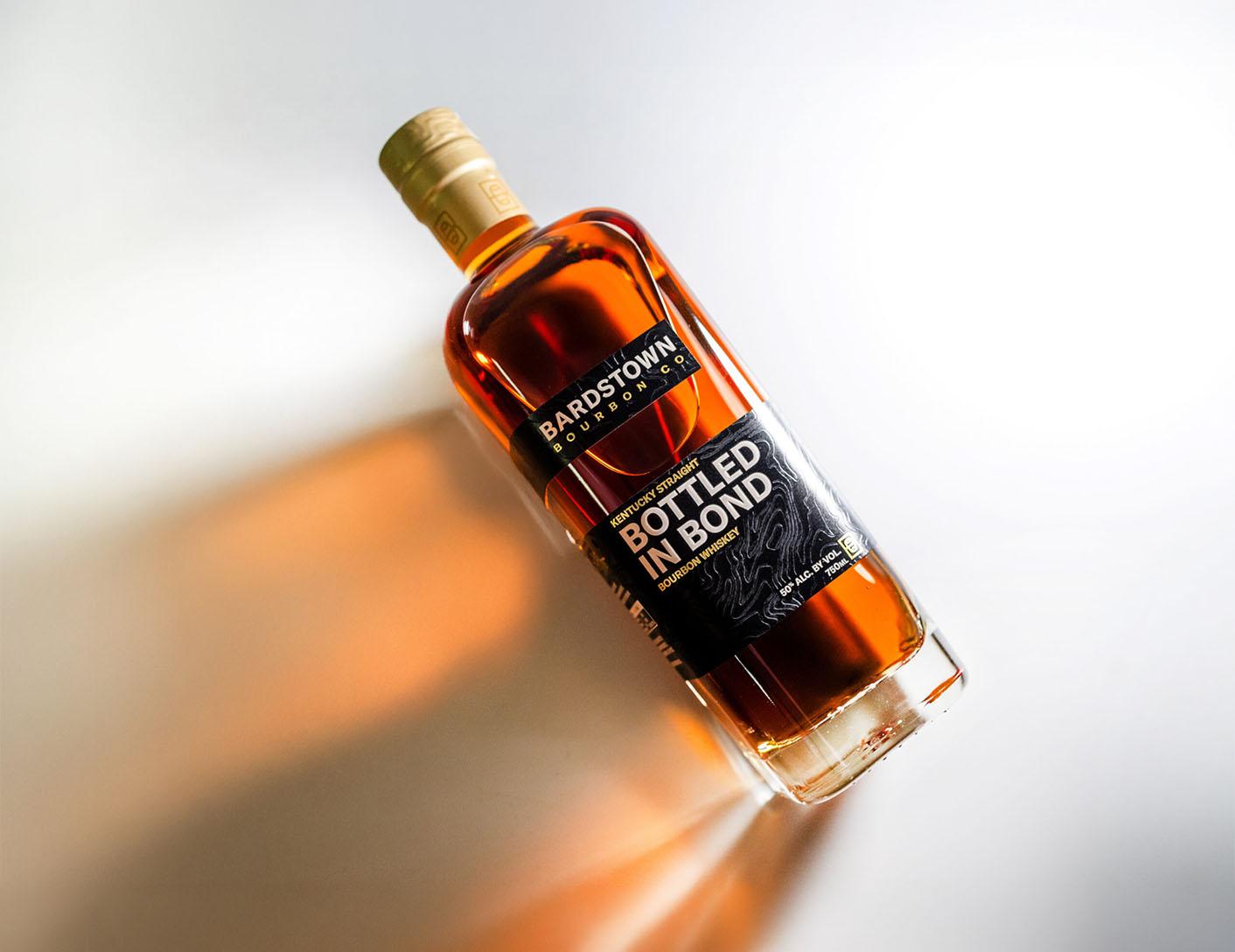
I drink our core products. If it's not an innovation that I'm messing around with, or a blend that I’m taking home and sipping on, I drink Bardstown and Green River. The Green River Honey is amazing and does so well with cocktails. And then I am fortunate to have a supply of some projects from our partner brands. When I get home, I still don't turn off thinking about bourbon; it's just about exploring that and staying with it. But if it's not going to be whiskey, I did come up through wine, and I just adore wine, so I don't mind pouring myself a glass.
As far as cocktails, it depends on the day, the mood, and the situation. I will often do a Bardstown Bourbon Company Rye Boulevardier. And a Green River Honey Gold Rush is also fantastic. If you're feeling really fancy, we released a Goose Island finish with a Stout; if you put that in an espresso martini, it's amazing.
Are there any elements of your music training that you apply to your work now?
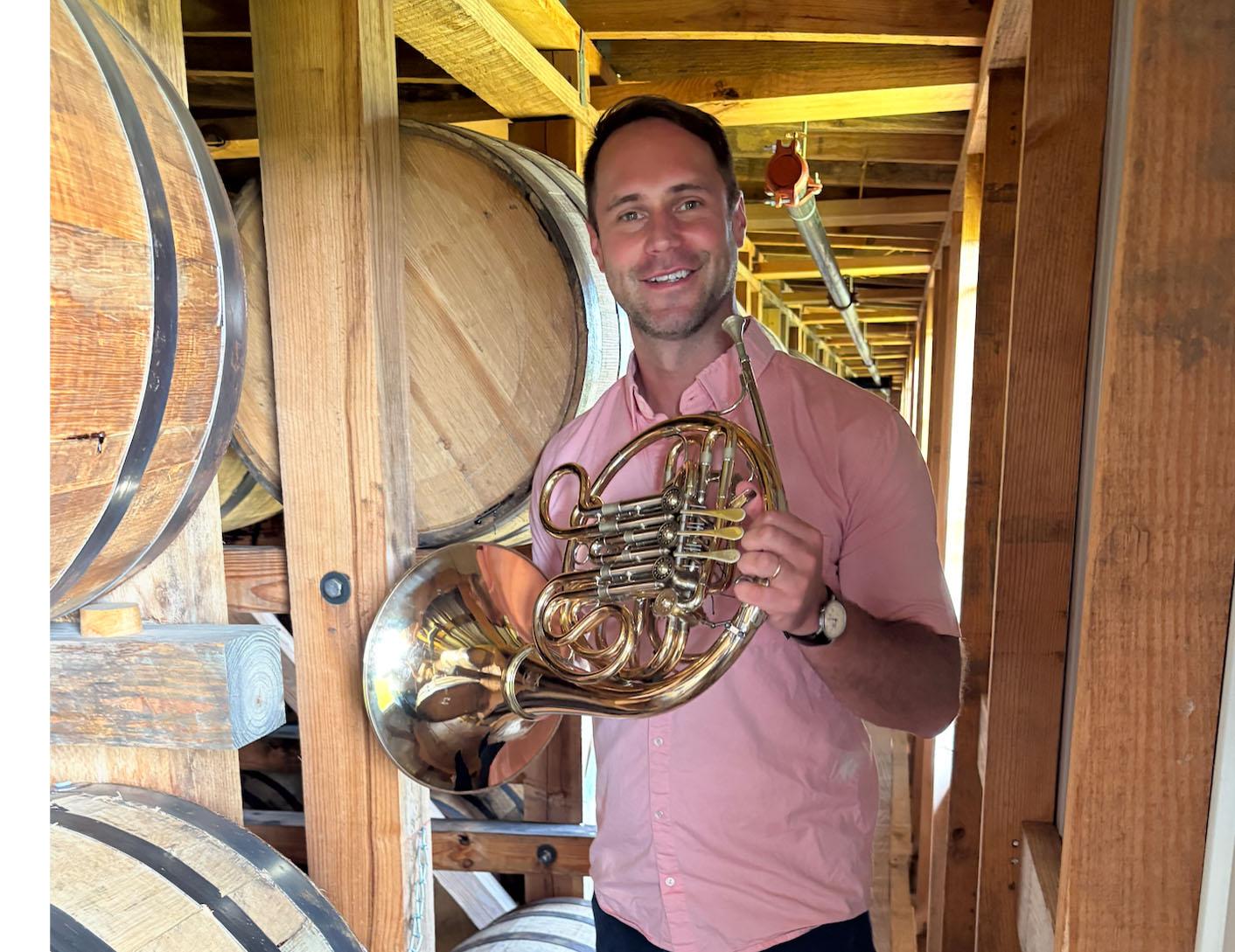
Classical music is so wonderful; to take something from mediocre or even good to great. Through repetition, you're sitting there, especially with the French horn. I was playing the same pieces I auditioned with when I was 12. You're taking something and you're refining it over time, and that's such a skill set to really dive into something because it takes a lot of patience, repetition, scheduled work – all of those lessons in classical music apply to anything.
Then the number one lesson I learned: an orchestra is a team. If you just isolated the piccolo in an orchestra, you probably wouldn't end up enjoying the concert too much. But it plays a wonderful range of sounds and melodies. And it can be so much more when it’s a part of something larger. How does everyone have their defined role and a shared vision and make something together? If you can apply that to the spirits industry, you will do awesome things.
When you’re developing a new concept, where do you start?
It's the whole range of starting points. It's always organic, though. For Cathedral with French Oak barrels, it came from a conversation over lunch when we did our Maison Ferrand Cognac finish. Maybe we’ll have barrels aging down in Martinique, or it’s by running into someone at a whiskey festival. And it's these organic conversations and shared visions that can result in something great.
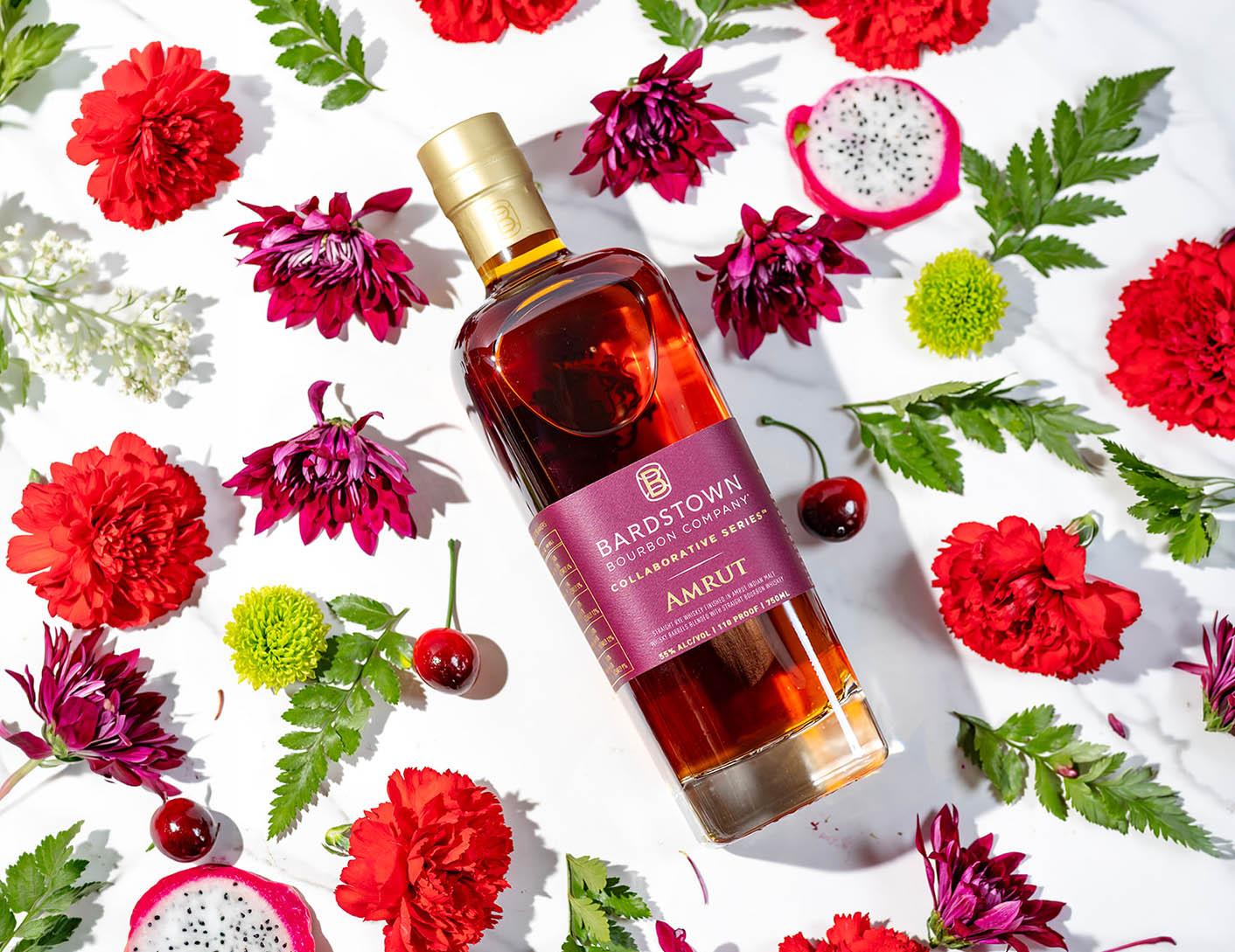
I was just meeting with the owner of Amrut Distillery, who was coming over looking for barrels to age his Indian single malt. They needed bourbon barrels, and we just hit it off and started talking about whiskey and what we could do, and that organically led to something. From there, we have an amazing product development team, and then you've got to break it down into finance, marketing, sales, quality, and procurement – does the project absolutely make sense? We have a lot of talented people, so we can run it through their lens.
How has the legacy of bourbon and Bardstown impacted this brand?
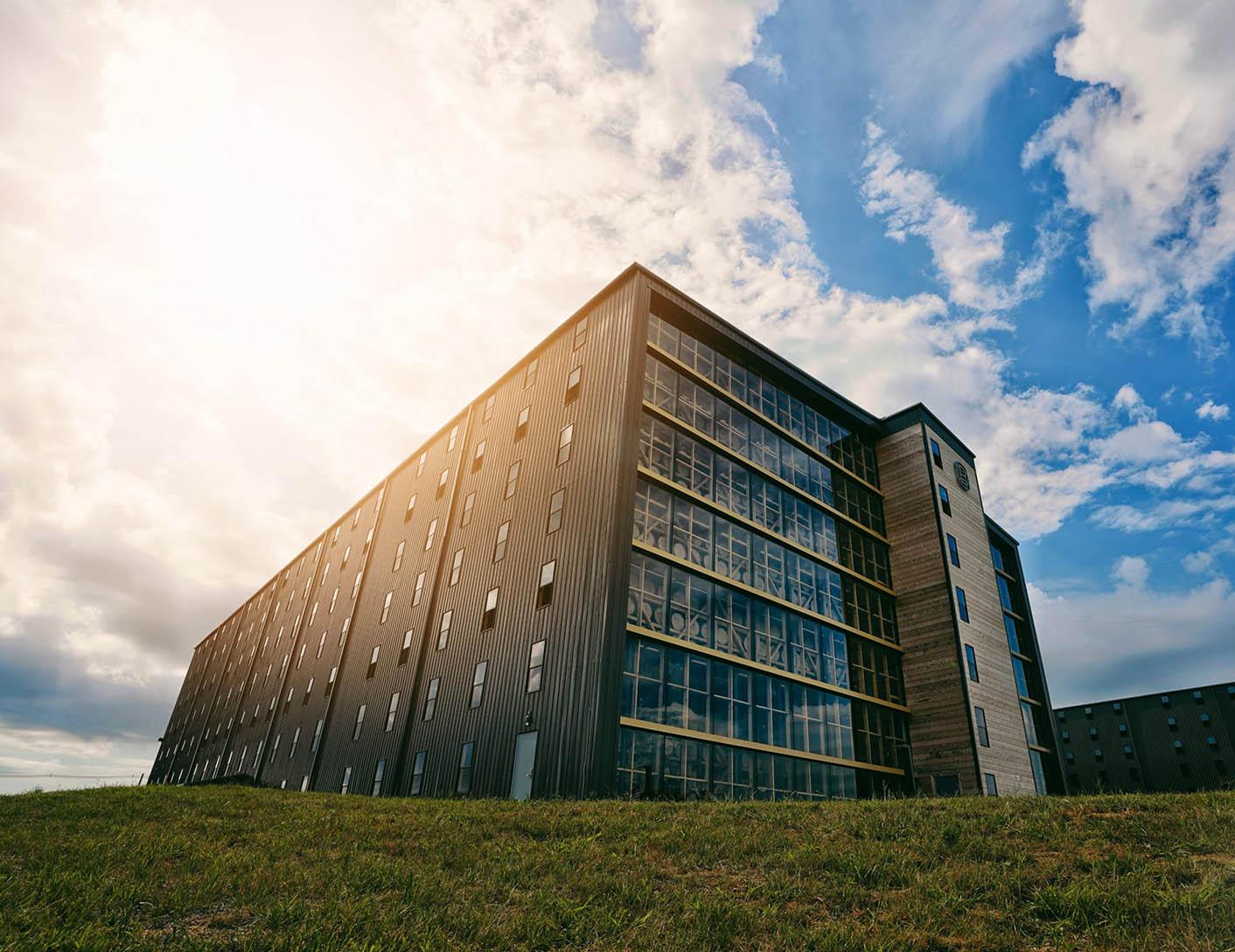
I think that the best decision Bardstown Bourbon Company made was that they built the distillery in the bourbon capital of the world. Sure, it could have gone anywhere, but this was a very intentional decision in Bardstown. We're surrounded by the history here, and then Green River Distillery goes back to 1885, and it's very cool to celebrate that work, and especially with our vintage library we have on site in Bardstown; it’s a great place to either read books from that time or taste whiskey from that time, and just see how people were thinking about bourbon.
And then there are guys like Ed Foote who's in his 90s now, who I went and spent the day with, and you know you're not that many steps back from the people that trained him when he was doing his thing in the 60s. And all of a sudden you're back to 1885 before you know it, and the people in this area, in this part of the country, they just have so much built-in knowledge – you just need to talk to them and you learn. So I've been so fortunate to be surrounded by people that were a part of this tradition.
In Closing
Stay connected with Dan Callaway’s work and discover what’s coming next from Bardstown and Green River by following their individual websites, and through our Bardstown Bourbon Company and Green River collections. Also, if you’re looking for something unique for your whiskey collection, be sure to try our Single Barrel Rye finished in Oak and Cherrywood.